


Why Full Synthetic Oil Changes Help Keep Your Engine Running Strong in Waukesha, WI
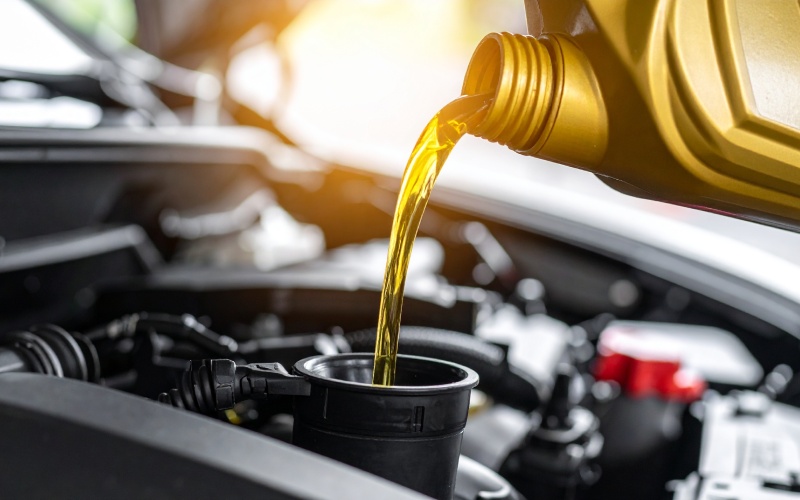
Russ Darrow Kia of Waukesha – Why Full Synthetic Oil Changes Help Keep Your Engine Running Strong in Waukesha, WI
If you are researching the best way to protect your engine for the long haul, full synthetic oil changes belong at the top of the list. Full synthetic oil is engineered to stay stable, clean, and protective far longer than conventional oil, even during stop-and-go commutes, short errand runs, or highway miles. Around the I-94 corridor and on daily routes along Moreland Boulevard, the right oil makes a tangible difference in how smoothly your vehicle runs and how confidently it ages.
At Russ Darrow Kia of Waukesha, our certified service team helps drivers choose the correct oil grade and specification for each model, then performs a thorough service that supports engine health between visits. In this guide, we explain what full synthetic oil is, why it matters, how often to change it, and what to expect when you schedule a full synthetic oil change with our service center in Waukesha, WI.
What full synthetic oil actually is
Full synthetic oil is not just refined crude. It is built from highly processed base oils blended with advanced additives designed to resist oxidation, reduce deposits, and protect against wear. Because molecules are more uniform than those in conventional oil, synthetics keep their viscosity more consistently over time and under heat. That stability helps modern engines—especially those with turbochargers and gasoline direct injection—run cleaner and more efficiently.
For many late-model vehicles, the owner’s manual will specify full synthetic oil to meet current performance standards such as API SP and ILSAC GF-6. These specifications are particularly important for reducing low-speed pre-ignition risk in small turbo engines and for controlling deposits on critical components.
Benefits you can feel and measure
- Cleaner engine: Full synthetic oil carries detergents and dispersants that help prevent sludge and varnish, keeping tiny oil passages and turbo bearings cleaner over time.
- Stronger film strength: A more robust oil film cushions metal-to-metal contact under load, supporting longevity for timing chains, cams, and bearings.
- More stable viscosity: Synthetics maintain the intended thickness across a broader temperature range, which supports consistent oil pressure and quieter operation.
- Better resistance to breakdown: Oxidation and thermal stress degrade oil—synthetics resist that breakdown, which helps extend service life when your manual allows.
- Improved deposit control: Cleaner internals contribute to smoother idling, more responsive acceleration, and maintained fuel economy as miles add up.
- Turbo and GDI support: For turbocharged or direct-injected engines, synthetic oil’s stability and additive package help manage heat and carbon formation.
You may not notice these advantages mile to mile, but cumulatively they show up as fewer issues, stable performance, and a more confident ownership experience.
Who benefits most from full synthetic
Almost any modern engine benefits from the stability of full synthetic oil, but it is especially valuable if your vehicle:
- Has a turbocharger: Turbo bearings face intense heat and speed—synthetic oil keeps protection consistent.
- Uses gasoline direct injection: GDI systems can be prone to deposits—synthetic oil’s detergency helps mitigate buildup.
- Sees many short trips: Frequent cold starts and brief drives to downtown, the Waukesha County Expo, or the grocery store do not let oil fully warm up; synthetics tolerate this pattern better.
- Handles towing or hauling: Pulling a small trailer to Pewaukee or loading up for home projects imposes higher loads—synthetic oil maintains film strength under stress.
- Accumulates highway miles: Regular trips between Waukesha and Milwaukee benefit from oil that resists oxidation during extended cruising.
Even older vehicles can transition to full synthetic if the manufacturer allows it. When in doubt, check the owner’s manual or speak with our service advisors for guidance based on mileage and seal condition.
How often to change your synthetic oil
Change intervals are set by your owner’s manual and your vehicle’s oil-life monitoring system when equipped. Many modern vehicles recommend around 7,500 miles or 12 months under normal service, with shorter intervals for severe use. The right interval for you depends on how you drive.
Look at your routine and consider whether it matches severe-service criteria. Driving patterns common to our area can qualify as severe even if you do not think of them that way.
- Frequent short trips: Repeated five-to-ten-minute drives prevent moisture from evaporating, diluting oil over time.
- Stop-and-go traffic: Congested stretches near retail corridors and school zones raise engine temperatures at low speeds.
- Extended idling: Waiting at long lights or during pickup lines adds run time without mileage.
- Dusty or rough roads: Construction zones and gravel surfaces increase contamination risk, especially with aging air filters.
- Towing and heavy loads: Extra weight increases engine load and oil temperatures, accelerating oil stress.
If any of these apply regularly, follow the severe-service schedule in your manual. Our advisors can also review your oil-life data and maintenance history to recommend an interval that protects your engine without overservicing.
What our full synthetic oil change includes
A quality oil change is more than just new oil. We match your vehicle to the correct viscosity and specification, install a fresh OEM-quality filter, and perform checks that help you leave confident.
- Correct oil and spec: We use full synthetic oil that meets or exceeds your manual’s API and ILSAC standards in the correct viscosity grade.
- OEM-quality filter: A high-quality filter captures contaminants without restricting flow.
- Crush washer and torque: The drain plug is properly torqued with a new washer to prevent seepage.
- System reset: We reset maintenance reminders or oil-life monitors when applicable.
- Multi-point review: Key fluids, belts, hoses, and visible leaks are checked so small issues do not become big ones.
- Road-ready focus: We confirm proper levels and a clean workspace—no oily residue left behind.
The result is a cleaner, better-protected engine and a documented service record that supports long-term value.
Picking the right oil for your vehicle
Every vehicle is calibrated for specific oil performance. Many newer engines call for 0W-20 or 5W-30 full synthetic, but the exact grade and certification matter more than the label alone. Look for API SP and ILSAC GF-6 markings, and always defer to the owner’s manual or the cap under your hood. If you drive a turbo or GDI engine, correct specs are especially important to minimize deposits and protect the turbocharger.
Choosing quality filters is just as critical. A well-made filter maintains flow while trapping fine particles, protecting sensitive timing components and hydraulic lifters. Our team will always match your engine with the right filter and oil combination.
Professional service vs. DIY
If you enjoy turning wrenches, synthetic oil changes are a manageable home project. That said, professional service brings some advantages: access to OEM parts, proper torque procedures, crush washer replacement, waste oil recycling, and a trained eye on potential issues. A small seep at a valve cover or a damp hose clamp can be spotted and addressed before it evolves into a repair.
For drivers who prefer a seamless experience, our service lane gets you in, handled, and back on the road with confidence.
Frequently Asked Questions:
What is the difference between full synthetic and synthetic blend?
Full synthetic uses a higher percentage of engineered base oils and advanced additives, delivering better stability, cleanliness, and wear protection. A synthetic blend mixes conventional and synthetic base stocks, offering some benefits but not the same level of performance under heat and stress.
Will switching to full synthetic cause leaks in an older engine?
In a healthy engine, switching to full synthetic typically does not cause leaks. Synthetic oil can clean deposits, which may reveal an existing worn seal, but it does not damage seals. If your vehicle has significant seepage already, ask for an inspection and guidance on the best path forward.
How do I know the right interval for my oil changes?
Start with your owner’s manual and follow the normal or severe schedule based on your driving. If your vehicle has an oil-life monitor, use it as a guide and avoid exceeding the maximum interval listed in the manual. Our advisors can tailor recommendations based on your commute and mileage patterns.
Does full synthetic improve fuel economy?
The primary benefit is protection, but many drivers see small gains in efficiency due to better viscosity control and reduced friction. The bigger win is maintaining efficiency over time by keeping the engine clean and running to spec.
Which certifications should my oil meet?
For most modern gasoline engines, look for API SP and ILSAC GF-6. Always match the exact viscosity and specification listed in your owner’s manual—this is especially important for turbocharged and direct-injected engines.
What do you check during an oil change service?
Beyond replacing the oil and filter, we verify fluid levels, inspect for leaks, check belts and hoses where visible, confirm the correct drain plug torque and washer, and reset maintenance indicators when applicable.
Full synthetic oil changes are one of the simplest ways to invest in long-term engine health. When you are ready for service, our certified technicians will match your vehicle to the correct oil and filter, perform a careful installation, and provide the kind of thorough check that keeps you confidently on the move. Whether your driving is a string of short trips across town or steady miles on I-94, a quality oil service gives your engine the consistent protection it deserves.
Ready to schedule your full synthetic oil change in Waukesha, WI? Our service team is here to help you choose the right oil, set an interval that fits your driving, and keep your vehicle performing at its best.


0 comment(s) so far on Why Full Synthetic Oil Changes Help Keep Your Engine Running Strong in Waukesha, WI